Community Outreach
Project Details
Project Goal
Provide data-driven support to assess the feasibility of a permanent safe-walking connector between the Mountain View Apartment Complex & Clifton Woods Apartments and the shopping center."
This project is funded by the Virginia Walkability Action Institute in the form of technical assistance from Equitable Cities and $8,000 grant, awarded to the Town of Clifton Forge.
Community Details
- Rural location nestled in the Alleghany Highlands
- Town population: 3,555
- Community-wide Barriers: limited access to fresh food foods, limited access to services (healthcare etc.), little to no rural transportation
- Community-wide Highlights: strong community engagement and partner coordination
Project Focus Area
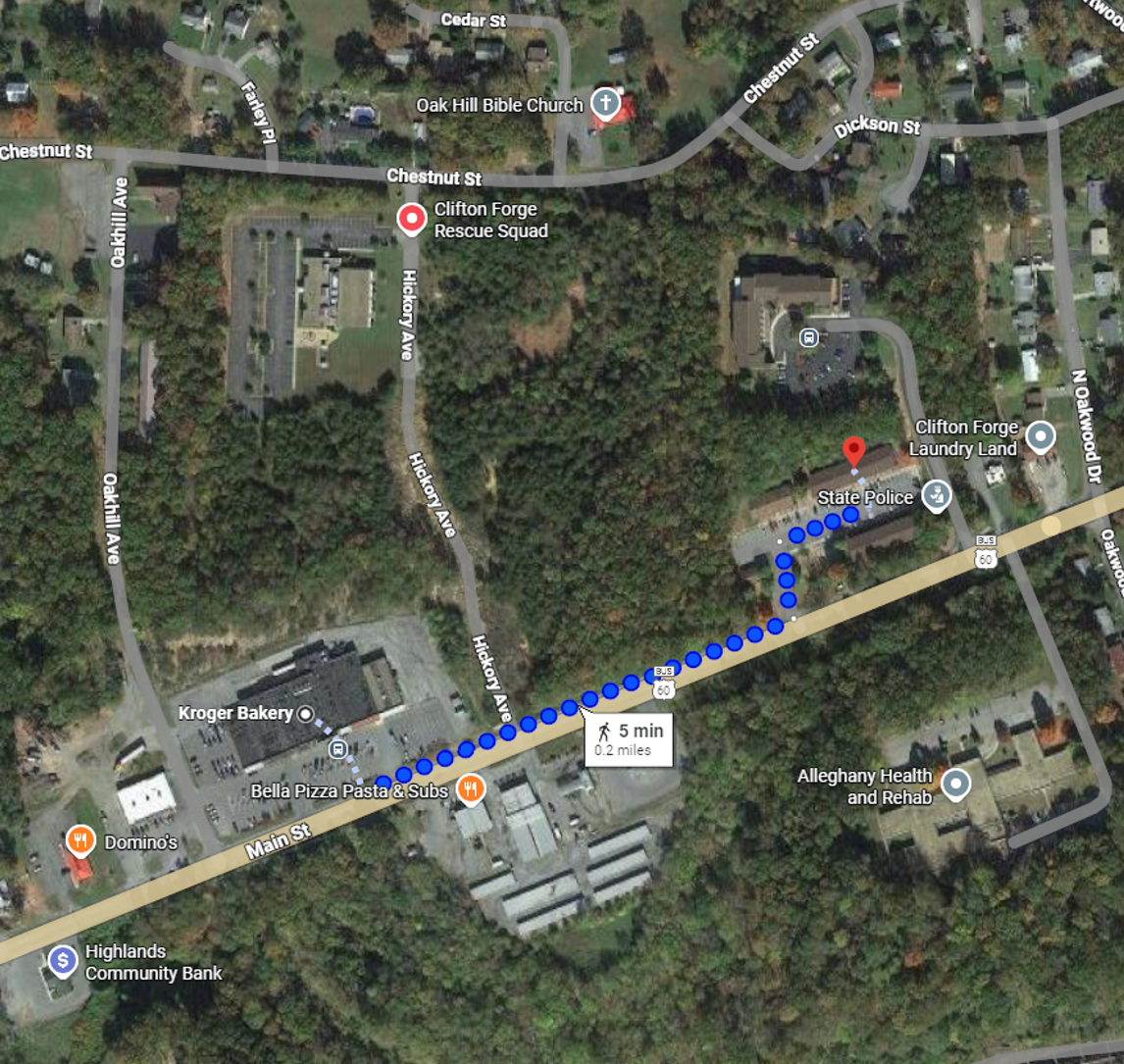
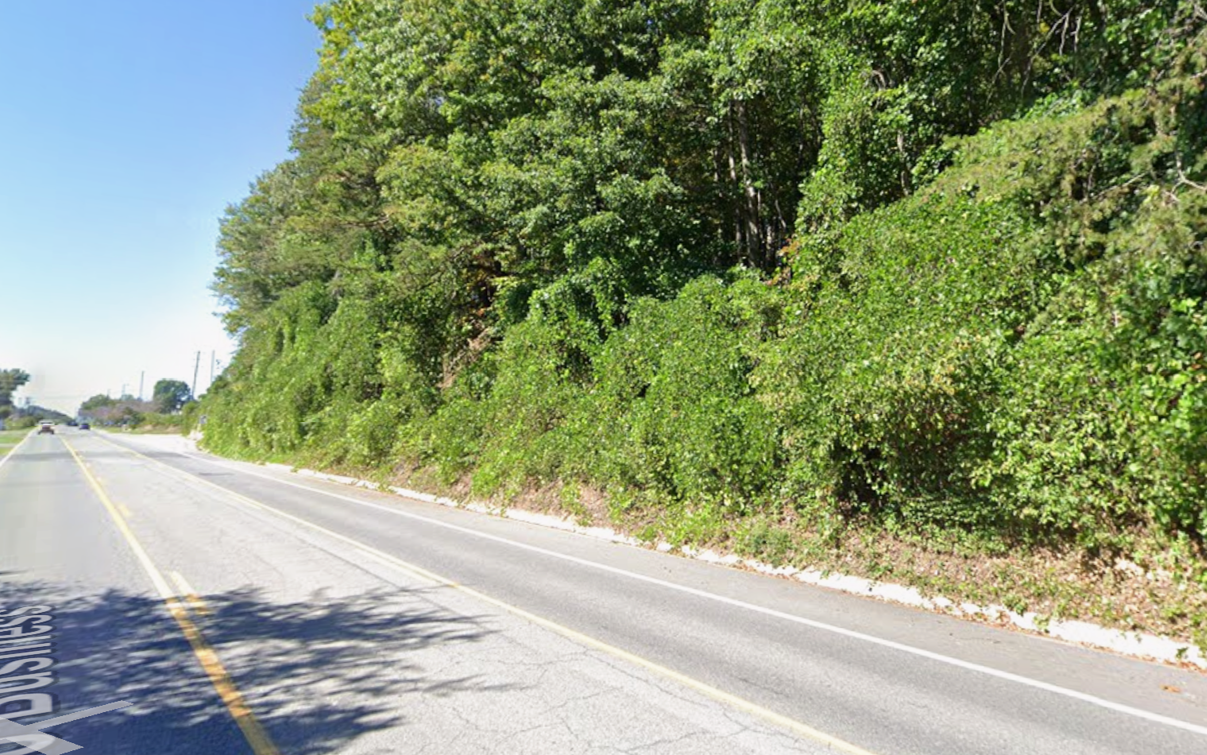
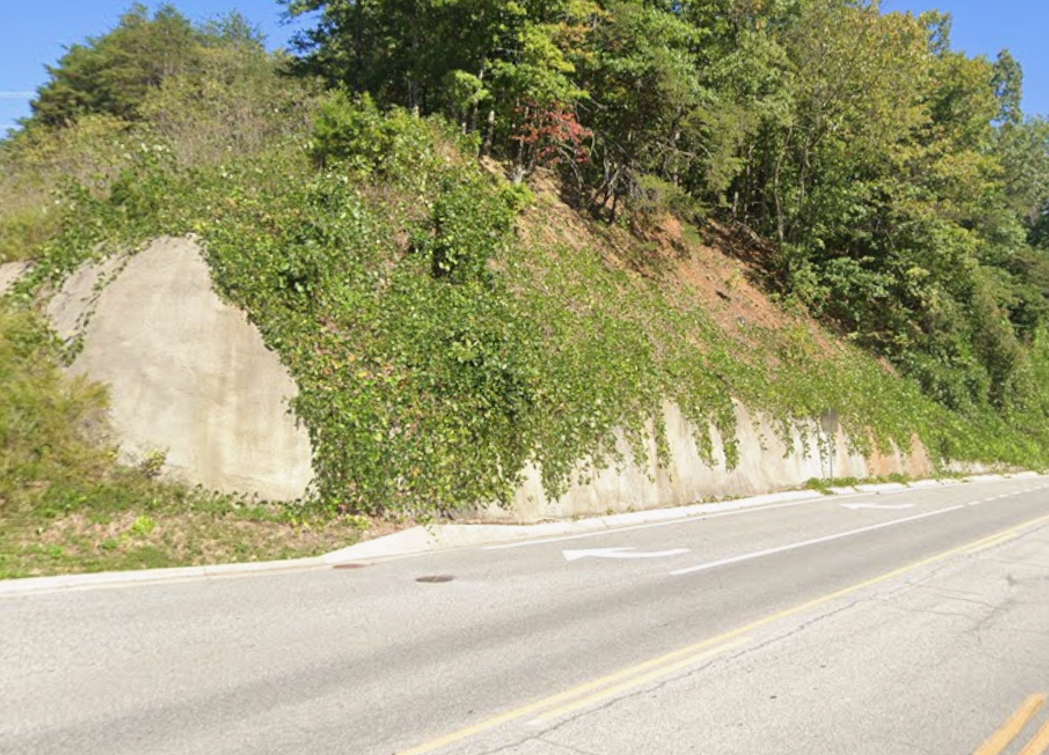
The immediate focus area of the project is the section of Route 60 between the Mountain View Apartments and Clifton Woods Apartments, and the CVS/Kroger shopping center. While a short distance, there is safe pedestrian route here, which is challenged by site topography, vehicle speed, etc.
Image 1 of 3
Opportunities
Current Opportunities for walkability improvements:
- The Town has done work to identify target areas through the Bicycle & Pedestrian Plan:
- Need to improve safety, close network gaps, and
- Big One: safer connections along commercial corridors linking residential areas to daily destinations
- The town serves populations that rely heavily on walking and transit, including
- seniors, multifamily housing residents, and households with limited vehicle access.
- Creating both strong demand and an equity imperative for improvements that enhance visibility, predictability, and safety for pedestrian travel
- The Mountain View Apartments is not currently on the bus route; given the close distance ideal for a project/opportunity like this
Challenges
Many of town corridors were designed with vehicles in mind resulting in:
- Narrow rights of way
- Limited buffers
- Sidewalk gaps
A particularly unsafe example is the corridor between the Kroger shopping center and Mountain View Apartments, where residents often walk in travel lanes or cross unmarked areas to reach groceries, jobs, services, and transit. High vehicle speeds, limited pedestrian cues, and lack of physical separation heighten risks, especially for older adults and those with mobility challenges.